The model-year dividing line
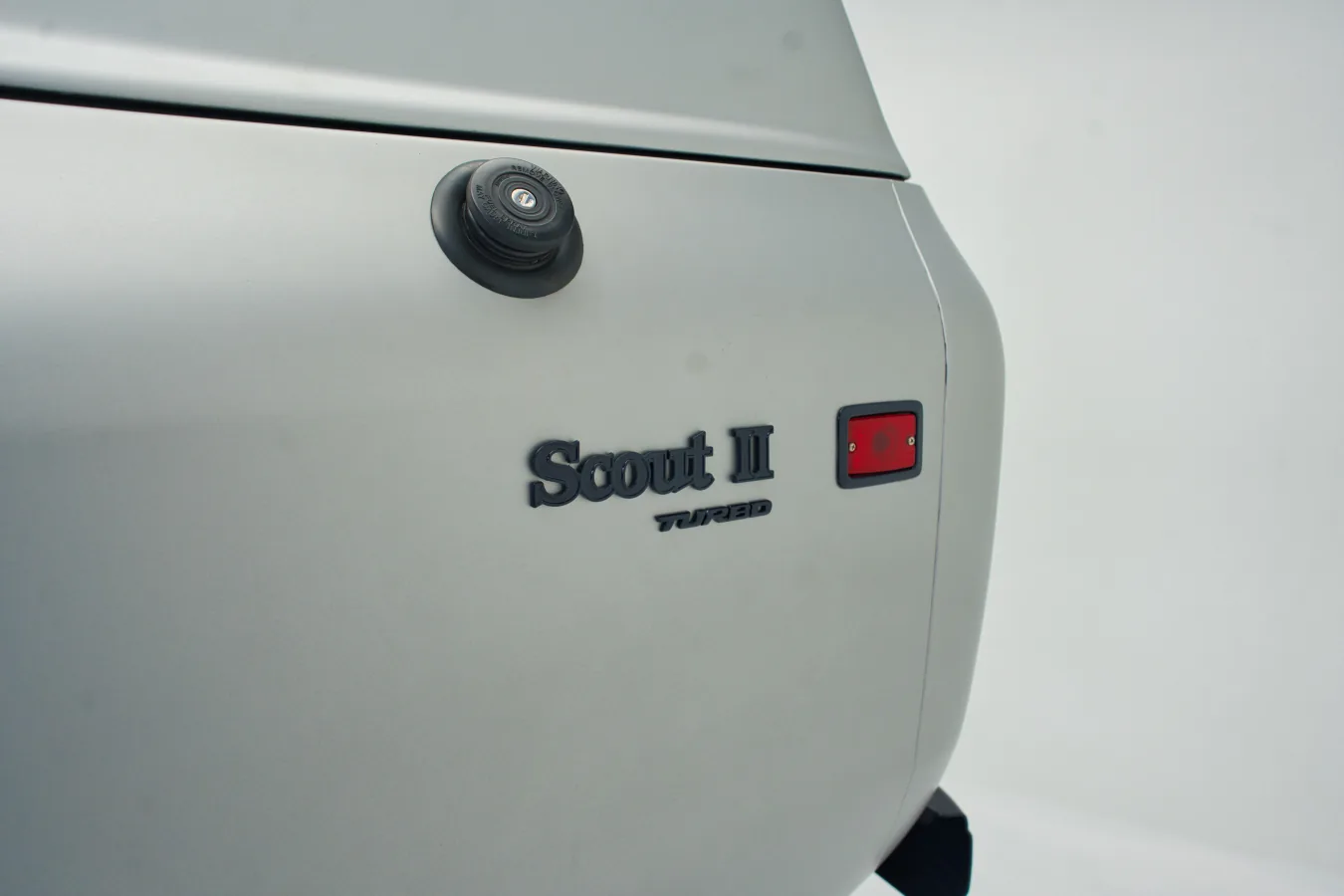
California’s Bureau of Automotive Repair states that model-year 1975 and older vehicles do not require a Smog Check. Scout II models from 1976 and later generally remain within the Smog Check program and must retain or demonstrate compliant emissions equipment for their configuration.
An exemption from the routine Smog Check does not make every modification automatically lawful. Noise, safety, registration, and other requirements can still apply, and engine changes may create additional review needs.
Why 1976–1980 Scouts require early planning
Later Scout II owners often face aging original emissions components, incomplete previous repairs, or undocumented modifications. Before a restoration begins, the studio should identify the vehicle’s model year, current engine, emissions labels, equipment, registration history, and intended drivetrain path.
That assessment determines whether the best route is an OEM-style restoration, a compliant repair strategy, or a properly documented engine change.
Engine changes and the BAR Referee
BAR’s current engine-change guidance says vehicles with engine changes must pass an initial inspection at a Referee Center and receive a BAR Referee label. After that initial review, future Smog Checks can generally be performed at regular stations according to the label and vehicle requirements.
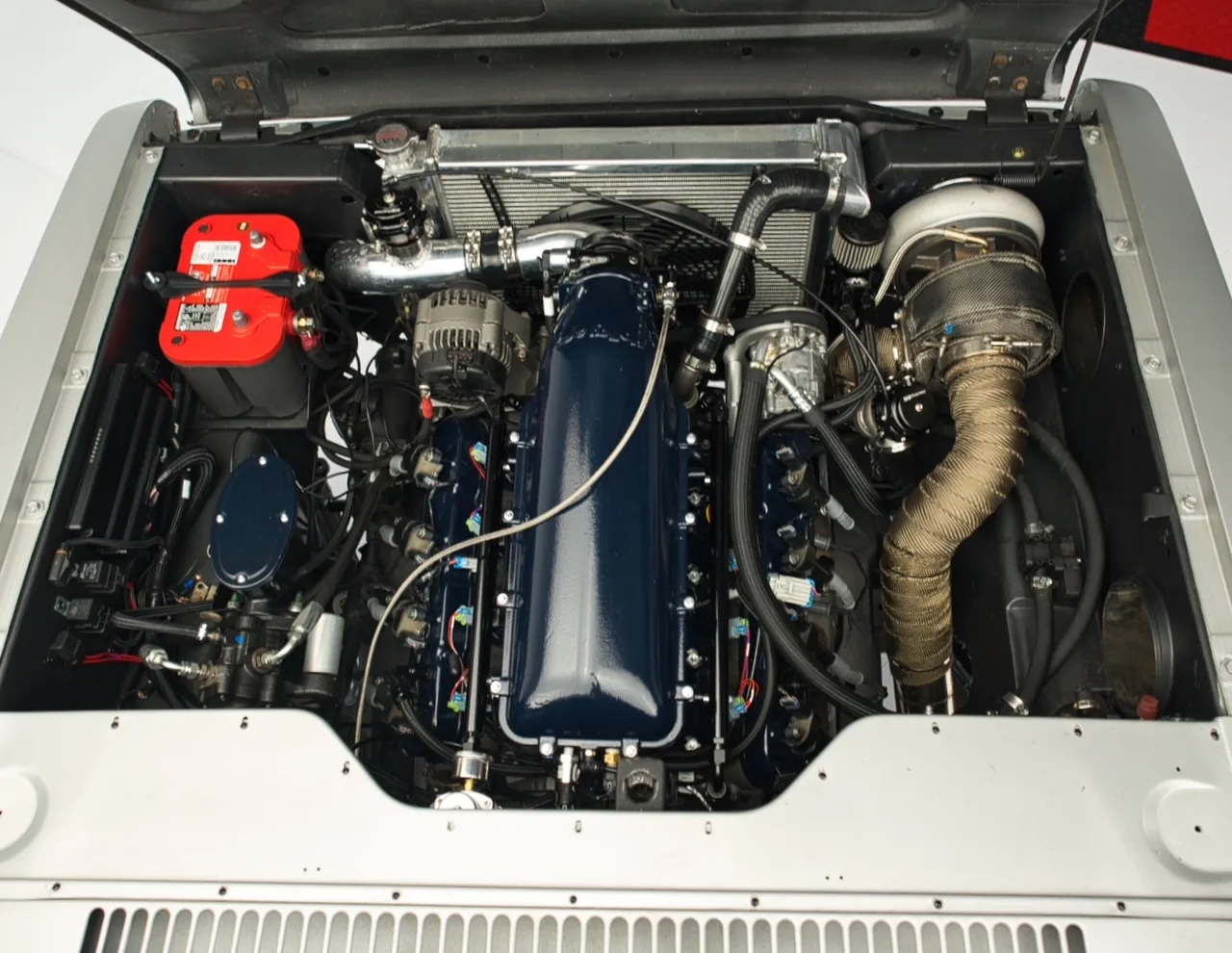
The complete emissions system matters. Engine family, model year, control module, catalytic converters, evaporative equipment, sensors, calibration, and diagnostic operation must be considered before parts are ordered. A high-performance engine package is not automatically compliant in every vehicle application.
A disciplined compliance workflow
The safest workflow is to confirm the legal path first, document the specification, retain labels and component information, install the complete system, validate diagnostic readiness, and schedule Referee review before treating the vehicle as complete.
California rules and product approvals can change. Owners should confirm the current requirements directly with BAR and CARB for their exact vehicle and configuration.
Official references
Rules and approvals can change. Confirm the current requirements for the exact vehicle and configuration.
This guide is general information, not a substitute for an inspection, engineering review, valuation, or legal determination for a specific vehicle.