Start with the use case
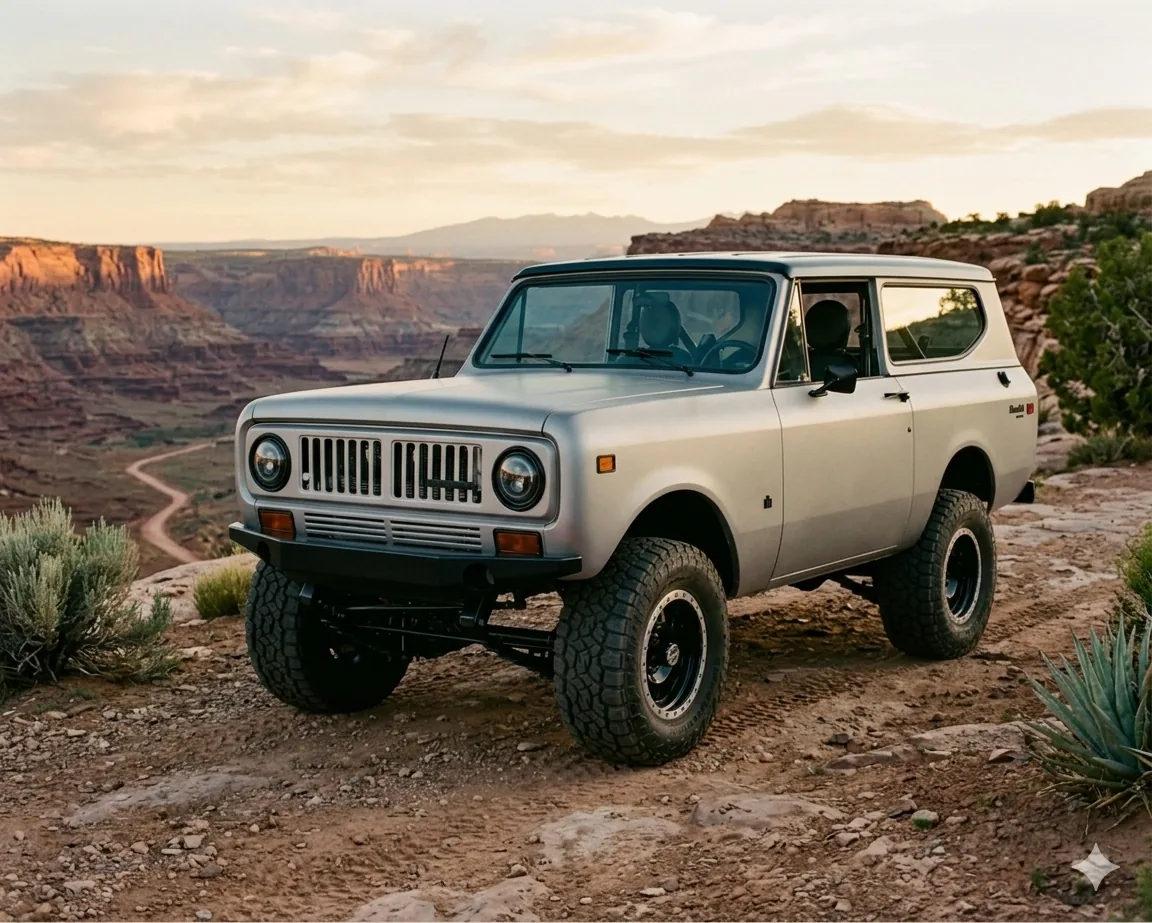
Before choosing an engine, define the vehicle. A weekend heritage Scout, a long-distance family cruiser, and a daily commuter have different needs. The correct answer comes from the intended use, not from the largest horsepower number.
The engine choice also affects transmission, cooling, fuel delivery, exhaust, wiring, braking, gearing, and California emissions planning. It should be treated as a systems decision from the beginning of the commission.
Path one: rebuild the International V8
An original IH V8 preserves the mechanical identity of the vehicle. Its low-speed character, sound, cast-iron presence, and period service experience are part of what many owners want from a Scout.
A thoughtful rebuild can add electronic fuel injection, electronic ignition, improved cooling, refreshed accessories, and careful tuning. The result remains unmistakably vintage, but it can be more consistent in traffic and easier to start across temperature changes.
Path two: integrate a modern V8
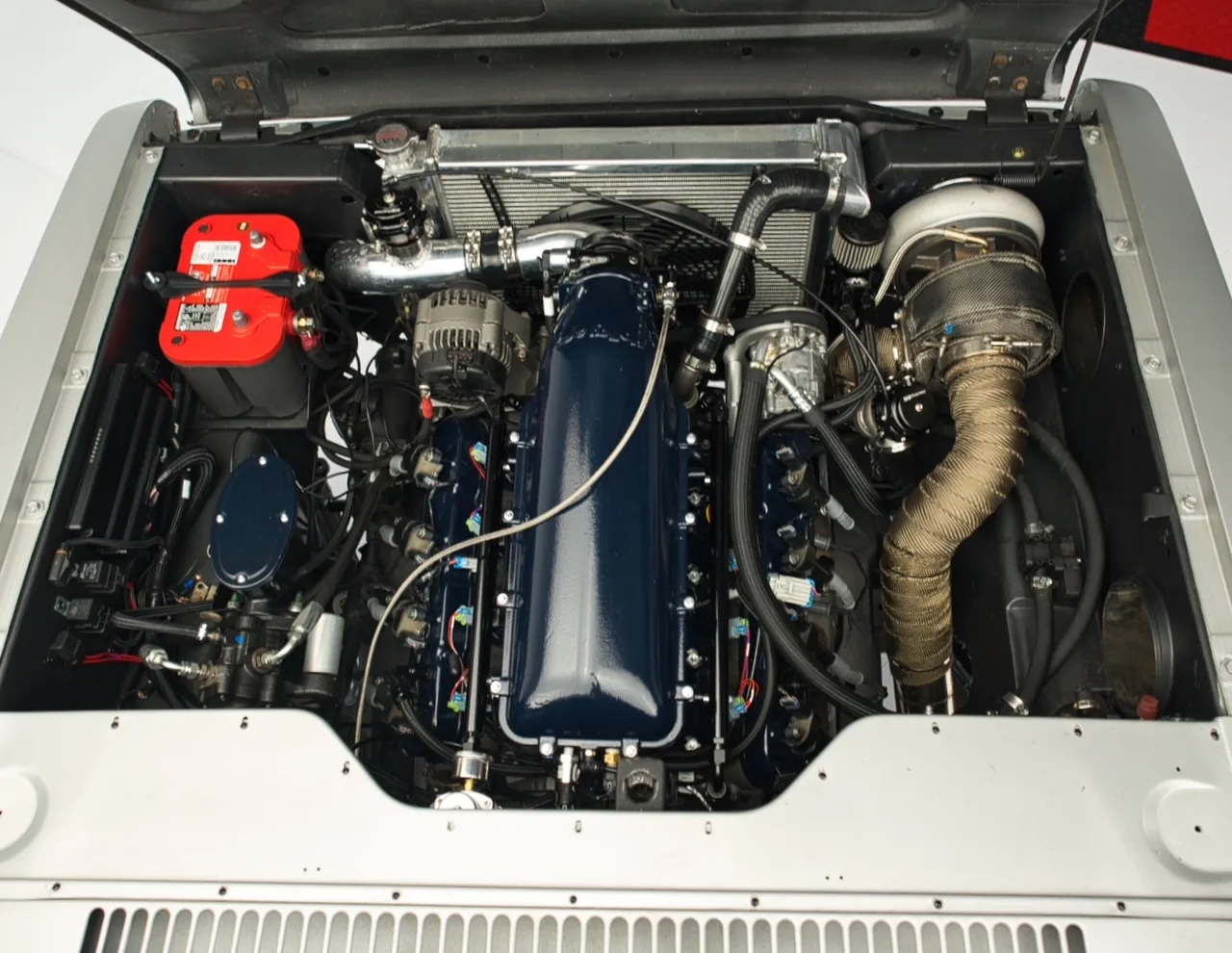
A modern LS- or Vortec-based powertrain can provide stronger highway performance, broad parts availability, and the familiarity of contemporary diagnostics. The benefit is most apparent when the entire vehicle is engineered around it.
Good integration means more than engine mounts. It includes cooling, fuel pressure, wiring, calibration, transmission control, exhaust routing, driveline angles, brake capacity, suspension balance, and a service plan. California vehicles may also require a specific emissions pathway and Referee review.
A practical comparison
| Priority | Rebuilt IH V8 | Modern LS / Vortec |
|---|---|---|
| Character | Maximum period identity | Contemporary power delivery |
| Best use | Heritage cruising and collector focus | Frequent highway and daily use |
| Service approach | Specialist vintage knowledge | Broader modern diagnostics |
| Integration | EFI and cooling can refine the original | Requires complete systems engineering |
| California planning | Depends on model year and configuration | Engine-change rules may apply |
The decision framework
Choose original IH power when heritage, collector identity, and the analog driving experience are the priority. Choose a modern drivetrain when regular highway use, modern traffic, and broad serviceability are central to the brief.
Neither path is automatically more premium. A precise original-engine restoration can be more appropriate—and more valuable to the right owner—than an average swap. The quality of the complete system matters more than the badge on the valve cover.
This guide is general information, not a substitute for an inspection, engineering review, valuation, or legal determination for a specific vehicle.